
_edited_edited_e.png)
What to Know About Your First Prosthetic Leg: A Beginner’s Guide

Updated: Jan 18
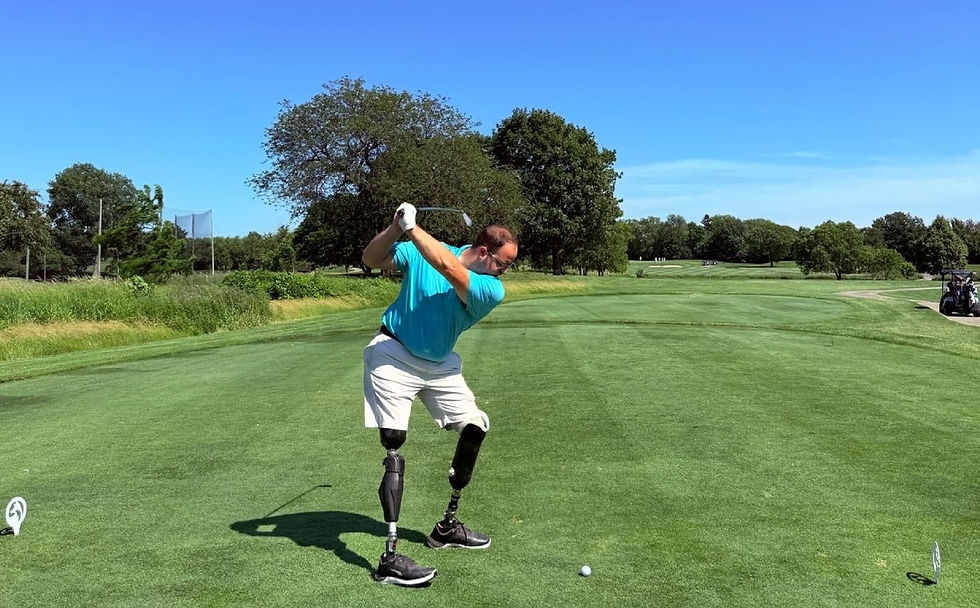
Getting your first prosthetic leg can feel overwhelming, even if you've spent months preparing for it. Most people don't arrive with clear expectations. They arrive with questions, mixed emotions, and a quiet hope that daily life might start feeling easier again.
That's normal.
At Bionic Prosthetics & Orthotics, we see this moment not as a finish line, but as the beginning of a learning process, one that works best when you understand what’s ahead and feel supported along the way.
This guide is written for people who are new to prosthetic care. It focuses on what actually matters early on, using clear language, real-world context, and honest expectations.
First, It’s Okay If You Don’t Know What to Expect
Many people worry that they should feel excited, grateful, or ready. Others feel cautious, uncertain, or even disconnected from the process.
There is no "right" reaction.
Your first prosthetic leg isn't about instantly returning to who you were before limb loss. It's about finding a new way to navigate your day with less effort, less strain, and greater predictability.
Understanding that early can take pressure off the entire process.
What a Prosthetic Leg Really Is (and What It Isn’t)
A prosthetic leg is a custom medical device designed to support people who are missing part or all of a leg due to injury, illness, or a condition present at birth.
For many individuals with limb differences, a prosthetic leg can provide meaningful support in daily life. It can help improve mobility, restore independence, and make it easier to return to everyday activities, whether that’s walking comfortably, staying active, pursuing hobbies, or getting back to work.
Prosthetic legs are available in many designs, each created to meet different needs, lifestyles, and goals.
A prosthetic leg:
Supports movement
Improves stability
Helps reduce physical and mental fatigue
Most prosthetic legs are systems made up of several parts, including a socket, support structure, and foot or knee components. Each part plays a role in how the prosthesis feels and functions.
The Socket Matters More Than Most People Realize
If there's one thing beginners often underestimate, it's the importance of the socket, the part that connects your body to the prosthetic leg.
A comfortable socket:
Distributes pressure evenly
Feels secure without feeling tight
Allows you to move without guarding every step
Early on, it's common for the fit to change as your limb adjusts. That doesn't mean something has gone wrong. It means your body is adapting.
Regular check-ins and adjustments are part of good prosthetic care, not a sign of failure.
Learning to Walk Again Is a Process, Not a Switch
Many people expect walking with a prosthetic leg to feel familiar quickly. In reality, walking often becomes a thinking task at first.
You may find yourself:
Watching the ground
Focusing on balance
Moving more slowly
This is temporary.
With practice, physical therapy, and a prosthetic leg that's adjusted properly, movement usually becomes more automatic. Most people notice progress in small ways first, less fatigue, steadier standing, and fewer moments of hesitation.
Those small changes matter.
Physical Therapy Is Part of the Picture
Your prosthetic leg works best when it's paired with rehabilitation and gait training.
Physical therapy helps you:
Build strength and balance
Learn efficient walking patterns
Reduce compensatory strain
This step is important to prevent long-term discomfort in the back, hips, or remaining limb.
Comfort Comes Before Confidence
It's common to expect confidence to arrive quickly. For most people, comfort comes first.
When a prosthetic leg feels predictable and secure:
You stop bracing
You stop overthinking each step
Confidence begins to build naturally
If something feels off, even if it isn't painful, it's worth addressing. Small issues can affect how you move and how you feel about using your prosthesis.
Open communication with your prosthetist makes a difference.
Your Relationship With Your Prosthetist Matters
A prosthetist is more than someone who fits a device. They are a long-term partner in your care.
A good prosthetic experience includes:
Listening to your concerns
Adjusting the prosthesis as your needs change
Helping you understand what you're feeling
Supporting progress over time
You don't need perfect words to explain what feels wrong. Describing sensations, pressure, or hesitation is enough to start the conversation.

Expect Change Over Time
Your first prosthetic leg isn't your final one.
Body changes. Activity levels change. Comfort needs change.
Follow-up care allows your prosthetic leg to evolve with you, whether that means adjustments, component changes, or new goals. This ongoing process is what helps prosthetic care stay effective long term.
Common Beginner Concerns (You’re Not Alone)
Many first-time prosthetic users worry about:
Falling
Looking different in public
Taking too long to adapt
Doing something "wrong"
These concerns are normal. Most people adjust at their own pace, and progress often looks quieter than expected.
Learning to trust movement again takes time.
A Realistic Goal for Your First Prosthetic Leg
Instead of aiming for perfection, a more helpful goal is ease.
Ease in standing. Ease in walking short distances. Ease into daily routines.
When movement takes less effort, everything else tends to follow.
Wrapping Up
Your first prosthetic leg is not about proving anything. It's about giving your body the support it needs to move through daily life with less strain and more confidence.
You don't have to have all the answers before you start. You just need a care team willing to listen, explain, and adjust along the way.
If you're preparing for your first prosthetic leg and want clear guidance without pressure or jargon, a conversation can help.
Schedule a consultation with a Bionic Prosthetics & Orthotics clinic near you to talk through what your first prosthetic leg could look like, at your pace.
Frequently Asked Questions
How long does it take to get used to a first prosthetic leg?
Adjustment varies. Many people feel physically comfortable within weeks, while confidence and ease develop gradually over several months.
Will my first prosthetic leg feel natural?
Most people don't describe it as natural at first. Over time, it often fades into the background of daily life, which is usually the goal.
Is discomfort normal in the beginning?
Some adjustment discomfort is common early on, but ongoing pain or instability should be addressed through follow-up care.
Do I need to be active to benefit from a prosthetic leg?
No, Prosthetic legs are designed to support everyday life, not just high activity levels.
When should I contact my prosthetist?
Anytime something feels off, uncomfortable, or harder than it should. Early adjustments often prevent bigger issues later.


Comments